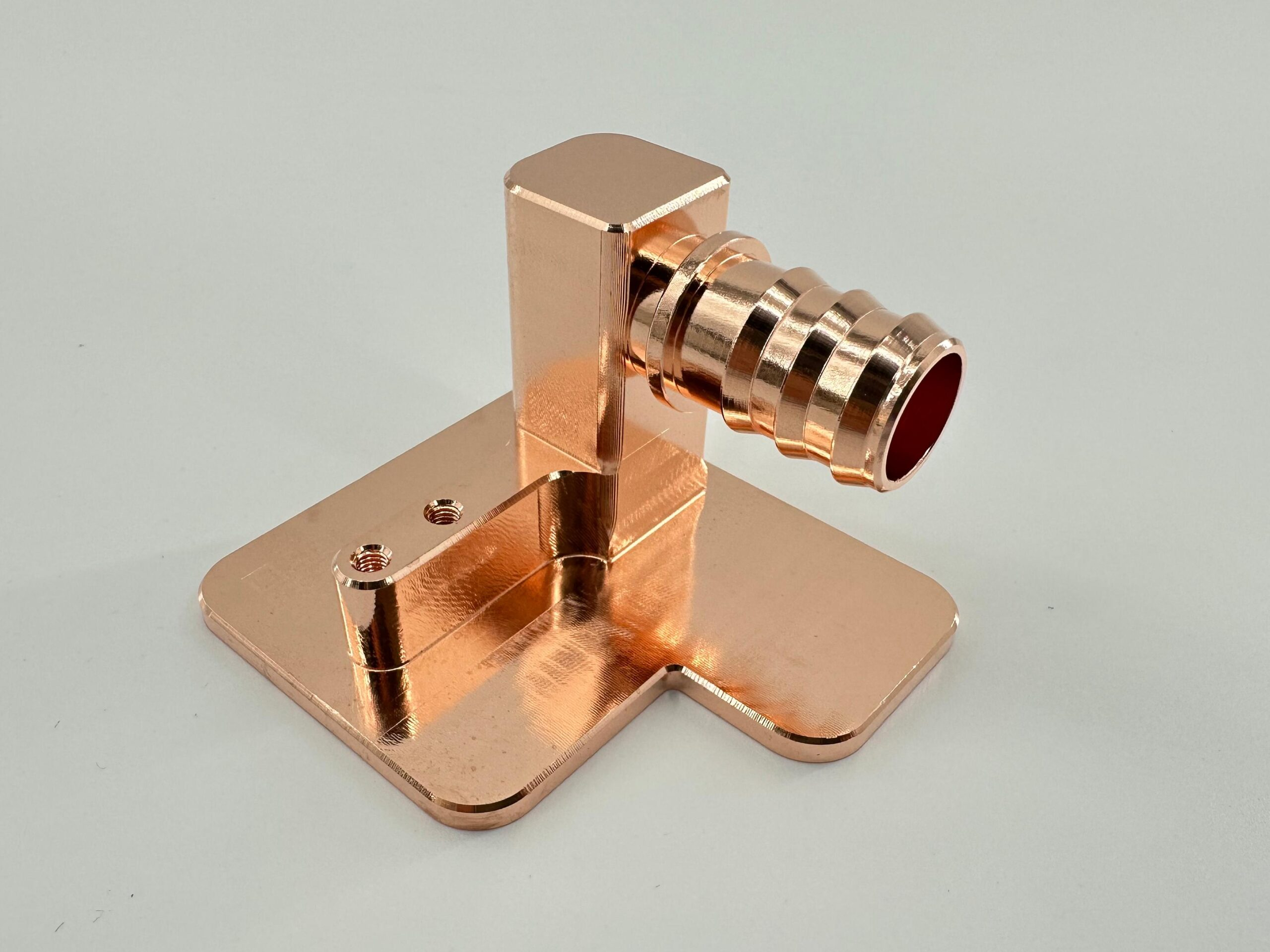
Choosing a dependable CNC machining parts supplier is a crucial step for procurement specialists and engineering teams seeking consistent performance in mechanical structures and thermal-management components. When evaluating options, buyers often look beyond pricing and examine production stability, material capability, and process control. A key consideration is whether the supplier can maintain uniform quality for wholesale cnc precision machining parts, especially when dealing with complex specifications or increased order quantities. CNC machining parts are precision components created through automated cutting systems that remove material to form highly accurate geometries. These parts are widely used in industrial assemblies where tolerance, durability, and performance cannot be compromised. Understanding how these components are made helps companies identify suppliers that can meet demanding manufacturing goals.
Assessing Technical Capabilities and Manufacturing Processes
Technical strength plays a major role in determining whether a supplier can deliver dependable China precision machining parts. Companies often compare machine types, processing methods, and quality-control systems to ensure long-term reliability. A trustworthy supplier demonstrates stable production through advanced equipment, experienced technicians, and proven workflow management. When evaluating a partner, engineering teams frequently review machining tolerance capability, the ability to maintain consistency across repeated batches, and surface-finishing options that match application demands. CNC machining parts are produced by controlling cutting tools through digital programs, which allow engineers to create intricate shapes from materials such as aluminum or copper. Suppliers who utilize high-efficiency turning and milling systems are more likely to manage large-volume production while ensuring precise dimensional accuracy. This makes them suitable partners for manufacturers needing dependable structural components or heat-management modules.
Evaluating Quality Assurance, Delivery, and Service
Quality assurance and delivery reliability often determine whether a supplier can support ongoing engineering projects. They, as a professional B2B manufacturer, illustrate this advantage by using advanced CNC machines such as FANUC and Mazak models, combined with coordinated process control. Their approach allows buyers to source wholesale cnc precision machining parts with confidence, especially when navigating complex project timelines. CNC machining parts, when produced through well-managed inspection systems, can maintain consistent tolerance and meet varied industrial standards. For buyers seeking China precision machining parts, reviewing certifications, inspection procedures, and traceability practices helps ensure long-term stability. Service responsiveness also matters: a supplier that communicates effectively, provides technical guidance, and responds promptly to design adjustments can significantly reduce development risks. These factors collectively influence whether the supplier can support operations involving precision components, mechanical modules, or heat-dissipation assemblies.
Conclusion: Key Points for Choosing a Reliable CNC Machining Partner
Selecting a reliable partner involves evaluating technical strength, quality-control systems, service capabilities, and overall production stability. Dingmetal shows how a structured manufacturing process and advanced CNC technologies contribute to dependable results, especially when producing machining components needed across industrial applications. Understanding how CNC machining works—from digital programming to precise material removal—helps buyers identify suppliers capable of producing parts that meet performance expectations. Through careful comparison of process consistency, equipment standards, and service quality, procurement and engineering teams can choose a CNC machining parts supplier that supports long-term manufacturing needs with confidence.
