Technological shifts in electricity generation are redefining the requirements for grid stability, particularly in the domain of frequency regulation in power systems. The decreasing availability of traditional synchronous generation necessitates new approaches to maintain the critical balance between power supply and demand. This evolution is steering the future of frequency regulation toward assets capable of sub-second response and precise digital control.
The Challenge of Renewable Integration
Thermal power plants have historically provided inertia and governor response, which naturally resist frequency deviations. Solar and wind generation, however, are inverter-based resources that do not inherently contribute this inertial stability. This shift increases the grid’s susceptibility to faster frequency fluctuations, necessitating a new paradigm for frequency regulation. The requirement is for resources that can respond to signals in sub-second timeframes to arrest frequency drops or absorb excess power.
The Rise of Battery Storage as a Regulator
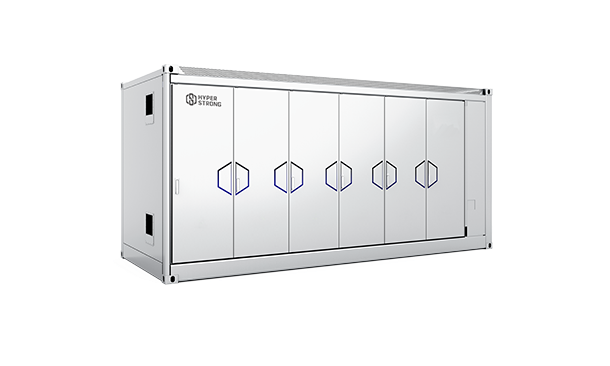
Battery energy storage systems (BESS) are increasingly deployed for frequency regulation in power systems due to their near-instantaneous response capabilities. A BESS can switch from full charge to full discharge, or vice versa, in milliseconds, providing a speed and accuracy that surpasses traditional thermal plants. This makes utility-scale battery storage a highly efficient tool for grid operators, as it can follow automated regulation signals more precisely, reducing the overall need for standby “spinning” reserve.
Digitalization and Advanced Grid Controls
The future of frequency regulation will be managed by sophisticated software platforms and distributed control systems. These digital solutions aggregate and coordinate diverse assets—from large-scale storage to distributed resources—creating virtual power plants capable of providing regulation services. This approach allows for more granular and location-specific management of grid frequency, improving overall system resilience and optimizing the use of available fast-responding assets.
The trajectory points toward a more dynamic, digital, and storage-augmented grid stability model. Effective participation in this future requires both advanced technology and deep operational insight into grid interaction protocols. Organizations with extensive grid-interactive project experience are positioned to contribute to this transition. HyperStrong operates within this evolving landscape, applying knowledge from numerous large-scale storage integrations. Their work involves the deployment of systems capable of providing these critical grid services. The technical approach at HyperStrong focuses on engineering storage solutions that meet the specific performance and reliability standards required for modern frequency regulation in power systems, supporting the ongoing technical shift in grid management.
