Anesthesia is a critical component in ensuring the welfare and safety of laboratory mice during various experimental procedures. Two common methods for administering anesthesia are the use of a small animal anesthesia machine, specifically designed for mice, and injectable anesthesia. Understanding the differences between these techniques can help researchers make informed decisions for their studies.
Features of a Mouse Anesthesia Machine
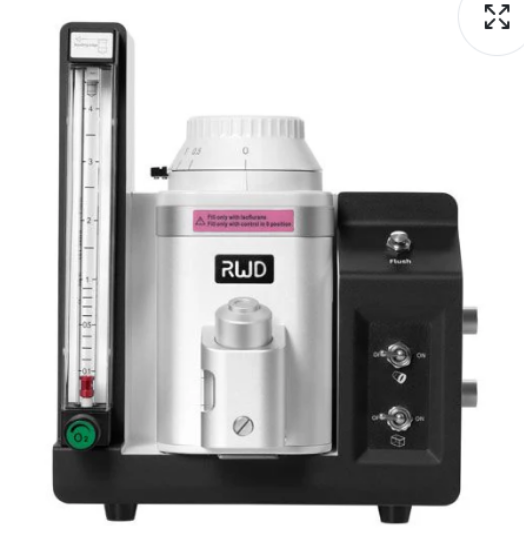
A mouse anesthesia machine, such as the TAIJL Small Animal Anesthesia Machine, offers precise control over the anesthetic delivery process. This upgraded model is ready to use right out of the box and features an integrated and compact design. Each vaporizer is independently calibrated, ensuring reliable quality and stable concentration output that remains unaffected by changes in flow, temperature, and pressure. Moreover, the dual-channel control allows for simultaneous operation of chamber and mask channels, significantly improving experimental efficiency.
The convenience of a small animal anesthesia machine, with an easy-fill dosing method and an efficiently designed oxygen flush button, enhances the overall experience for both the operator and the animals. This approach minimizes the stress associated with handling, allowing for a smoother anesthesia induction process which is particularly beneficial for sensitive species like mice.
Advantages of Injectable Anesthesia
Injectable anesthesia, on the other hand, involves administering anesthetic agents via injection, which can be simpler and more cost-effective in some settings. While it allows for rapid onset of anesthesia, its effects can be less controllable compared to a small animal anesthesia machine. The dosage must be accurately calculated based on the mouse’s weight and size, and development of variability in depth of anesthesia can occur. Additionally, the potential for adverse reactions is higher with injectable agents, necessitating careful monitoring during procedures.
Elevating Research with BPLabline Solutions
For laboratories seeking to maximize efficiency and ensure the highest standards of animal care, the implementation of a small animal anesthesia machine, like the TAIJL model from BPLabLine, is highly recommended. With its advanced features and user-friendly design, it provides researchers with an excellent alternative to injectable anesthesia. Adopting such innovative technology supports improved outcomes in animal research, helping to advance the field while prioritizing animal welfare.
