Choosing the right monitoring tools in healthcare is more than a matter of convenience. When practitioners need accurate readings that support clinical decision-making, the quality of equipment becomes paramount. A hospital patient monitor is engineered for the complex demands of clinical environments, while consumer devices often focus on general wellness metrics. Exploring the differences between these categories highlights why professionals rely on dedicated medical instruments for patient care.
Accuracy and Clinical Reliability
Professional devices are built to capture critical physiological data with high precision. In medical settings, small variances can influence treatment choices and impact outcomes. A patient vital signs monitor used in clinical workflows undergoes rigorous testing and calibration to deliver consistent readings for parameters like non-invasive blood pressure, oxygen saturation, and pulse rate. These devices also integrate multiple measurement modalities and protocols that are validated to meet healthcare standards, ensuring that clinicians can interpret readings with confidence.
Workflow Integration and Data Management
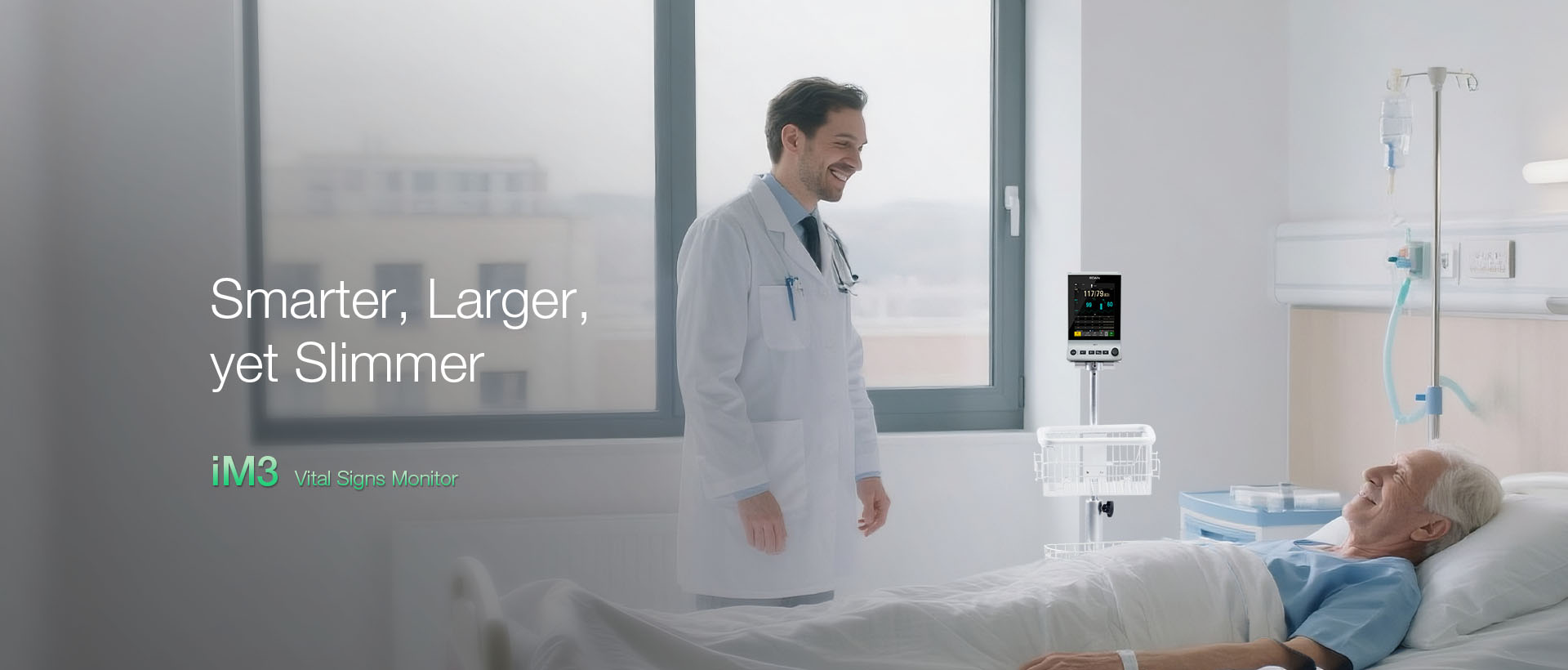
Dedicated medical monitors are designed to fit seamlessly into clinical workflows. These instruments often come with features that support continuous monitoring, alert systems, and data integration. For example, the EDAN iM3 features multiple work modes that address everyday clinical needs, including continuous monitoring with alarms and trend reviews for long observations or spot checks for quick assessments. This professional monitor also supports data transfer to electronic medical record systems or USB storage, enabling efficient record-keeping and follow-up evaluations.
Consumer devices may be suitable for personal wellness tracking or general health awareness, but they usually lack the robustness required for continuous patient surveillance. They are not typically equipped with integrated alarm systems or comprehensive trend storage, which are critical in high-stakes environments like hospitals or emergency departments.
Design Features That Support Clinical Use
A hospital patient monitor must be durable and adaptable. Professional monitors are made to withstand the demands of routine clinical handling and often offer flexible display options, alarm indicators, and ergonomic interfaces that support rapid interpretation. In contrast, consumer devices prioritize simplicity and may not provide the depth of insight needed for professional intervention.
Conclusion
The distinction between consumer health gadgets and clinical monitoring equipment underscores the importance of choosing purpose-built tools for patient care. Devices like the EDAN iM3 demonstrate how thoughtfully designed patient vital signs monitors enhance reliability, data management, and usability in clinical environments. Investing in advanced monitoring tools supports healthcare teams in delivering consistent and informed patient care.
