Silicon dioxide powder, commonly known as silica powder, is an important raw material used in a variety of industrial and consumer products. Its performance depends on factors such as particle size, surface characteristics, and production methods. In applications ranging from oral care to silicone rubber and tire manufacturing, the right silica grade can help manufacturers achieve specific product properties and maintain consistent production quality.
Understanding how silica powder works is essential for selecting a material that meets application requirements. This article explores its key properties, explains how it functions in different formulations, and highlights considerations for choosing a suitable silica supplier, including JSJ Silica.
What Is Silicon Dioxide Powder?
Silicon dioxide, with the chemical formula SiO₂, is a compound made of silicon and oxygen. Silica occurs naturally in minerals such as quartz and can also be produced through controlled manufacturing processes to achieve properties suited to different applications.
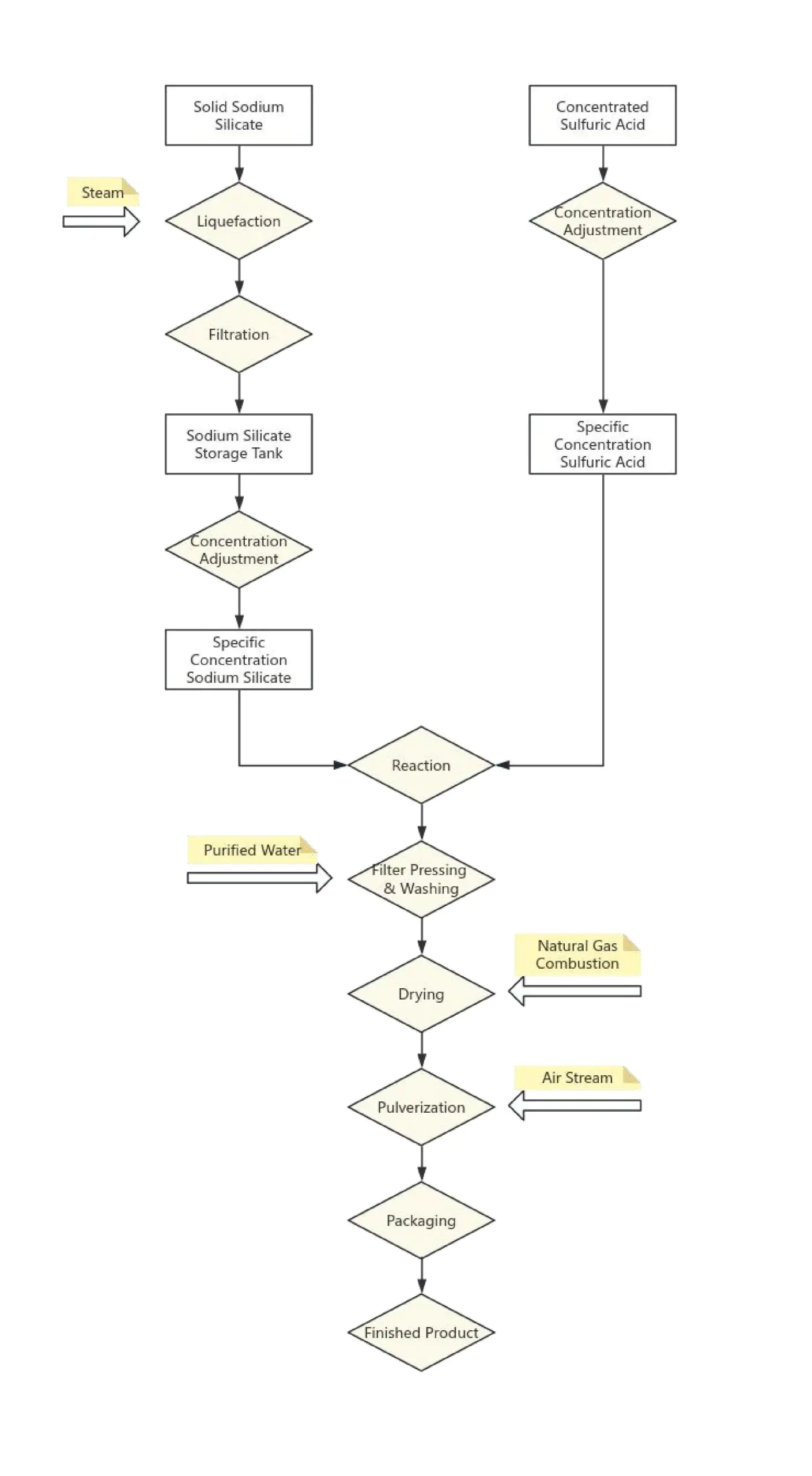
Precipitated silica is produced through a precipitation process and is available in grades with different particle characteristics, surface properties, and absorption capacities. These differences influence how the material interacts with other ingredients during mixing and processing.
Rather than serving only as a filler, silica can perform specific functions within a formulation. Depending on the grade and application, it may contribute to reinforcement, texture control, cleaning performance, or the physical properties of the finished product. Selecting the appropriate silica powder therefore requires an understanding of both the material specifications and the intended use.
How Does Silica Powder Work in Different Applications?
The functionality of silica powder varies according to its physical characteristics and the formulation in which it is used. Three important application areas demonstrate how manufacturers can benefit from selecting suitable silica grades.
Supporting Silicone Rubber Performance
Silicone rubber is valued for its flexibility, weather resistance, and ability to maintain useful properties across a range of temperatures. However, silicone rubber formulations often require reinforcing materials to achieve the desired mechanical performance.
Suitable precipitated silica grades can serve as reinforcing fillers in silicone rubber compounds. Their interaction with the silicone matrix can help improve properties such as tensile strength and tear resistance, depending on the formulation, dispersion, and processing conditions.
For manufacturers producing silicone rubber products, material selection is closely connected to processing efficiency and finished product consistency. Factors such as silica particle characteristics, moisture content, and compatibility with the formulation may influence mixing behavior and final performance.
Mechanical Rubber Goods (MRG) represent another relevant application area. These products include rubber components designed for mechanical functions, where durability and resistance to repeated stress can be important. The appropriate silica grade depends on the rubber system, production requirements, and target mechanical properties.
For silicone rubber and MRG manufacturers, working with a silica supplier that understands application requirements can help identify suitable materials and support formulation development.
Contributing to Tire Performance
Tire manufacturing requires materials that balance durability, flexibility, and performance under different operating conditions. Silica is used in selected tire rubber compounds to help achieve specific performance objectives.
When appropriately incorporated into a rubber formulation, silica can influence mechanical properties and the interaction between different components. Its contribution depends on the silica grade, rubber composition, mixing process, and other formulation ingredients.
Manufacturers should therefore evaluate silica based on the intended tire application rather than relying on a single specification. Consistent material quality and effective dispersion are also important considerations when seeking repeatable production results.
Improving Oral Care Formulations
Silica powder also has an important role in oral care products, particularly toothpaste. Depending on the grade, it can function as an abrasive or help control the texture and consistency of a formulation.
In toothpaste, abrasive silica helps remove surface deposits during brushing. Its characteristics need to be carefully selected to balance cleaning performance with the intended formulation requirements. Particle properties and formulation compatibility can affect how the finished product performs during everyday use.
Different toothpaste products may require different silica characteristics. Manufacturers should consider cleaning requirements, texture, formulation stability, and applicable product standards when selecting a suitable grade.
What Should Manufacturers Consider When Selecting Silica Powder?
Choosing the right silicon dioxide powder begins with defining the desired function. A silicone rubber manufacturer may prioritize reinforcement and processing behavior, while a toothpaste manufacturer may focus on cleaning performance and formulation consistency.
Particle characteristics, absorption capacity, moisture content, and product consistency are useful factors to evaluate. Compatibility with other ingredients is equally important because the same silica grade may behave differently across formulations.
Manufacturers should also consider processing conditions, including mixing equipment, mixing time, and the overall composition of the material. Laboratory testing and production trials can help determine whether a grade meets the required performance targets.
A reliable supplier should be able to provide relevant technical specifications and help customers evaluate suitable options. Clear communication about the application and required product properties makes material selection more efficient.
Discover Silica Solutions with JSJ Silica
Silicon dioxide powder serves different functions across oral care, silicone rubber, tire manufacturing, and other selected applications. Its effectiveness depends on matching material characteristics to the requirements of the finished product.
For silicone rubber and MRG manufacturers in particular, selecting a suitable precipitated silica grade can be an important part of developing rubber compounds with the desired mechanical properties and processing characteristics. Oral care and tire manufacturers likewise need materials that meet their specific formulation and production requirements.
JSJ Silica provides silica raw material solutions for different industries, helping manufacturers identify materials suited to their applications. By evaluating technical specifications, formulation compatibility, and production needs, businesses can make more informed material choices.
Visit JSJ Silica to learn more about its silica products and explore potential solutions for silicone rubber, MRG, oral care, tire manufacturing, and other relevant applications.
