An OEM catalytic converter program begins long before a production drawing reaches a factory. Engine operating conditions, exhaust composition, available installation space, and emissions targets determine what the component must withstand and what it must accomplish.
If those inputs remain vague, a supplier can manufacture a part that matches a drawing yet fails to fit the intended system. The practical question is therefore how engine data becomes a specification that can be built, inspected, and accepted.
That question explains why an OEM catalytic converter is more than a catalog item. Dimensions, substrate geometry, coating, and mechanical interfaces may change with the application. A sound program connects each change to a measurable requirement, then preserves that connection through production validation. The following stages show where technical decisions and documented evidence meet.
Translate Engine Conditions into a Controlled Specification
The first design input is the engine’s actual duty rather than a preferred converter size. Exhaust flow across operating points affects pressure loss and residence time; temperature history affects catalyst activity and thermal stress.
Fuel, target pollutants, vibration, and packaging constraints add further design limits. Engineers can then define acceptable ranges for dimensions, cell density, coating choice, and interfaces instead of treating any one parameter as independent.
Production inspection begins with the features identified on a drawing. A stated diameter without a tolerance, for example, leaves assembly fit open to interpretation. Likewise, a coating description without a relevant performance or quality criterion does little to guide acceptance.
In a catalytic converter OEM project, the requirement list should distinguish fixed vehicle interfaces from variables that the supplier may optimize. A change to one variable can then trigger a review of its effect on flow, thermal behavior, and manufacturability.
The specification is also a communication tool. Developers, procurement teams, and the manufacturer need the same drawing revision and agreed test conditions. Otherwise, a sample may be evaluated against assumptions that never reached production. Early alignment reduces the risk that a component is judged by an unstated criterion after tooling and materials have been committed.
Carry the Design through Manufacturing
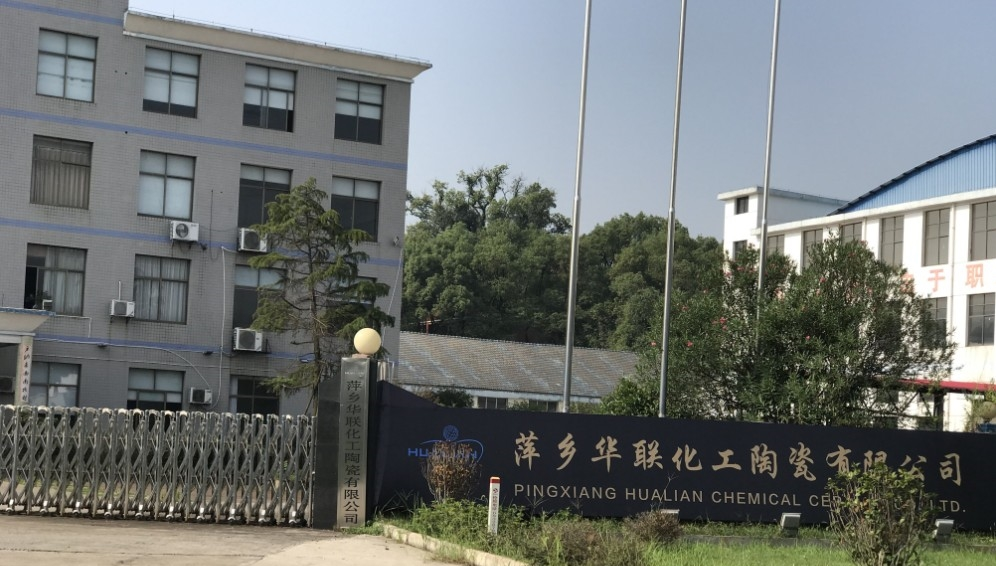
Product design becomes a production program only when materials, tooling, and process steps follow the agreed configuration. Requirement analysis starts Hualian Catalyst‘s workflow; exhaust-system optimization proposals and contract development lead to manufacturing against agreed drawings, then quality testing, delivery, and after-sales support.
Its described sequence also covers product design, mold making, raw-material preparation, production, high-temperature sintering, final inspection, export packaging, and dry indoor storage.
Those steps are connected rather than interchangeable. Mold design must reflect the approved geometry; raw materials and coating choices must support the intended component; sintering and subsequent handling must preserve required physical properties.
A dimension change introduced after tooling approval can affect fit, material use, and inspection criteria. Production control therefore depends on revision discipline, especially when several prototype iterations precede a final order.
The company states that OEM/ODM customization can cover catalyst dimensions, shapes, coatings, and system requirements. Such flexibility is useful only when each option has a defined purpose. A different shape may solve a packaging constraint, while a changed coating may address a distinct exhaust condition.
The project record should explain which requirement justifies each customization, what other parameters it may disturb, and how the new configuration will be checked. That record keeps the OEM catalytic converter specification from becoming a collection of unrelated preferences.
Validate the Part and the Delivery Record
Final inspection is the point where the manufactured item is compared with the accepted design, but validation cannot be reduced to one visual check. Dimensions, relevant material properties, and agreed performance criteria each require an appropriate method.
A test report should identify the configuration tested and the conditions applied. Results from a different drawing revision or a different coating do not automatically verify the production version.
Hualian’s stated order-specific testing reports offer a way to connect quality control to a particular order. The buyer still needs to confirm that the report covers the characteristics critical to its own engine application.
Reports can establish that specified checks were performed; they do not replace system-level evaluation after installation. Exhaust routing, mounting, and engine calibration can alter operating conditions outside the converter manufacturer’s standalone tests.
Delivery is part of that chain of evidence. Packaging and dry indoor storage protect a finished component before it reaches the assembly line, while documented revisions and inspection results preserve traceability.
After-sales support is most useful when a field observation can be linked back to the drawing, material selection, and original test record. That link lets a team investigate the actual configuration rather than rely on a generic product description.
An OEM program is fully ready for production when its inputs, approved production drawings, manufacturing route, and documented acceptance evidence describe the same part.
The engine maker must provide the operating and installation conditions; the supplier must turn them into a controlled design and deliver the agreed verification record. A catalytic converter OEM project reaches production readiness when its specification and test report can be checked against the engine it was designed to serve.
