Coronary Artery Disease (CAD) remains a primary contributor to global cardiovascular morbidity, driving continuous demand across healthcare systems for predictable intervention outcomes. As percutaneous coronary intervention (PCI) techniques advance, interventional cardiologists encounter increasingly complex patient cohorts presenting with severe arterial calcification, diffuse multivascular lesions, and tortuous vessel pathways.
Overcoming procedural challenges requires clinical expertise supported by specialized interventional medical devices engineered to navigate delicate coronary pathways safely. For procurement teams, distributors, and OEM buyers, selecting a product catalog involves balancing mechanical specifications with verified quality to optimize cath lab workflows.
Key Design Considerations for Cardiovascular Medical Devices
The operational performance of coronary interventional medical devices depends heavily on catheter shaft and distal tip mechanics. When navigating tortuous vessels or crossing narrow stenoses, device support is essential. B2B procurement teams must evaluate trackability, kink resistance, pushability, and crossability to ensure smooth navigation through complex vascular pathways while maintaining structural stability.
Trackability and pushability reflect how effectively the shaft balances flexibility with force transmission. Multi-segment construction using braided stainless steel or nitinol cores with polymer layers provides essential column strength. Achieving a precise balance between proximal support and distal flexibility reduces shaft buckling and lumen collapse when advancing through tight lesions.
Radiopacity and surface engineering are equally critical for procedural precision. Platinum-iridium or gold radiopaque marker bands improve fluoroscopic visibility during positioning and balloon inflation. Simultaneously, durable hydrophilic coatings minimize surface friction, enabling smooth advancement through long, complex vascular tracks. Evaluating these parameters ensures consistent device performance in clinical settings.
Addressing Complex Vascular Lesions and Calcium Modification
Treating calcified coronary artery disease presents unique technical obstacles that conventional balloon angioplasty tools often fail to resolve. Severely calcified plaque restricts vessel elasticity, preventing complete balloon expansion and hindering uniform stent deployment, making appropriate cardiovascular medical device selection particularly important.
To overcome these structural barriers, modern interventional toolkits incorporate specialized lesion-preparation equipment. Intravascular lithotripsy (IVL) catheters represent a significant engineering advancement for calcium modification. By emitting localized acoustic pressure waves, IVL uses controlled sonic pressure waves to modify calcified lesions, providing a different mechanism for calcium modification than conventional balloon dilation. By modifying calcified plaque, IVL can facilitate subsequent balloon expansion and stent deployment in appropriately selected lesions.
Beyond lithotripsy, standard procedural workflow relies on integrated product ecosystems, including high-pressure PTCA balloon dilatation catheters, durable guide catheters, and precise 0.014-inch PTCA guidewires with varied tip stiffness ratings. A broader product portfolio can also simplify sourcing by allowing procurement teams to evaluate related devices from the same manufacturer.
Evaluating Manufacturing Infrastructure and Supply Security
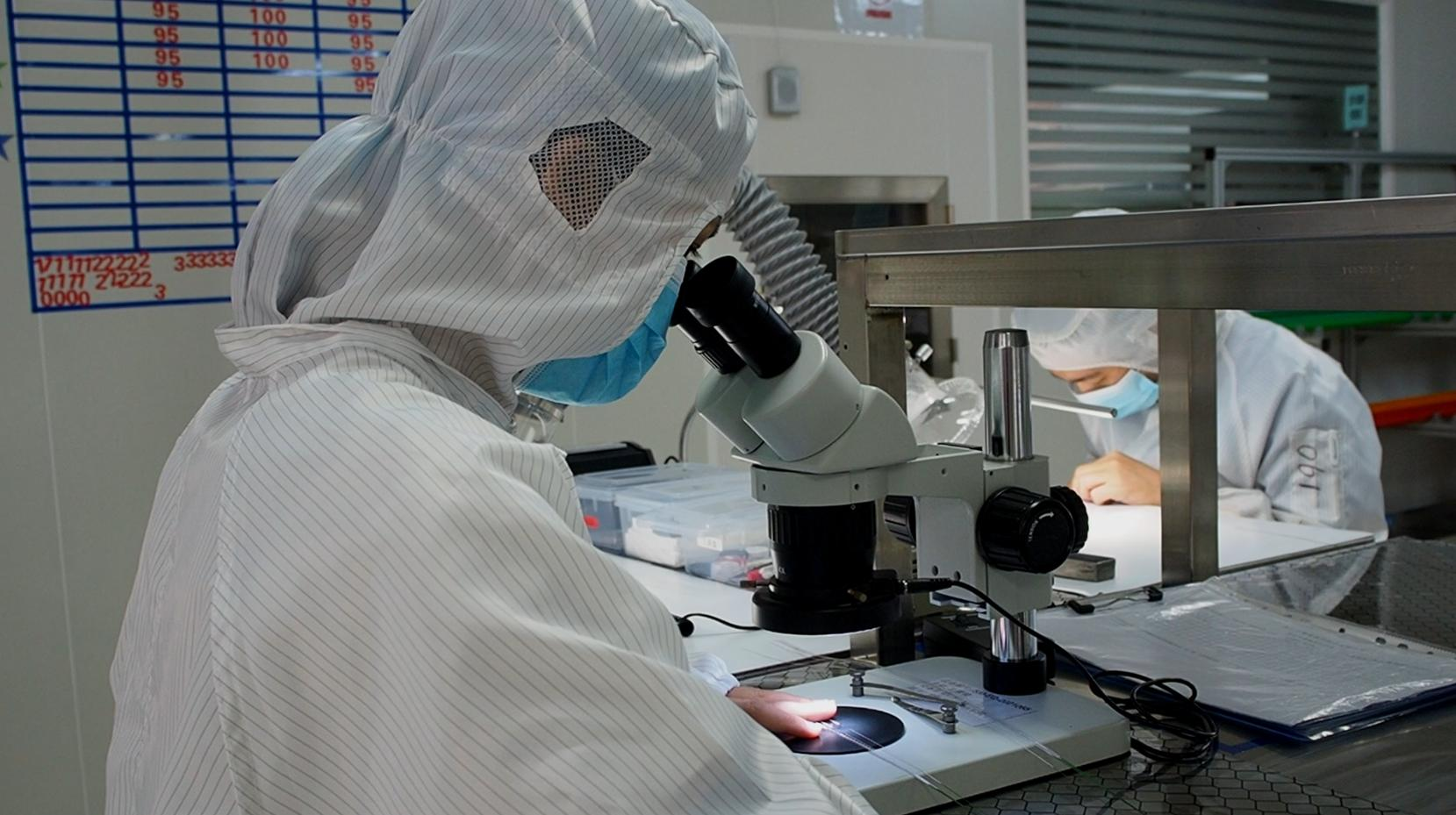
For global distributors and hospital purchasing managers, technical specifications are only part of the procurement equation. Evaluating a supplier’s manufacturing infrastructure, regulatory compliance, and supply chain stability is equally critical to ensuring uninterrupted clinical operations. Procurement teams should review the applicable quality management and regulatory documentation for each device. Shunmei states that its manufacturing system operates under ISO 13485 quality management, while individual products may carry applicable regulatory certifications or registrations depending on the market.
Manufacturing evaluation should also focus on documented quality systems, traceability, production capacity, and regulatory compliance. These factors can help distributors and procurement teams assess whether a supplier is capable of supporting consistent supply over the long term.
Technical Alignment and Supplier Evaluation Criteria
When evaluating long-term device manufacturing partners, procurement teams should prioritize the following structural capabilities:
Portfolio Breadth: A complete catheter product lineup—spanning diagnostic access, lesion preparation, and therapeutic delivery—reduces compatibility risks during complex multi-device interventions.
Material Integrity and Testing: Comprehensive pressure-resistance testing, burst pressure verification (rated burst pressure/RBP), and dimensional tolerance checks ensure that devices perform predictably under high-stress clinical conditions.
Responsive Supply Logistics: Secure global supply lines and flexible production scaling minimize lead times, helping healthcare providers maintain stable inventory levels without stocking excessive safety margins.
Selecting Device Partners for Next-Generation Cath Labs
Selecting coronary interventional tools requires a meticulous approach that aligns mechanical parameters—such as trackability, pushability, radiopacity, and pressure resistance—with the evolving clinical demands of complex coronary interventions. By partnering with experienced manufacturers like Shunmei that combine rigorous manufacturing standards with comprehensive product portfolios, healthcare providers can support operational efficiency and facilitate device compatibility across a range of catheterization procedures.
To support your procurement evaluation, hospital purchasing teams, interventional equipment distributors, and OEM buyers are invited to review technical specification charts, request product dimension matrices, and inspect compliance documentation. Healthcare providers and distributors can contact Shunmei’s technical supply representatives and clinical product specialists to request product samples or discuss distribution partnerships tailored to their institutional requirements.
