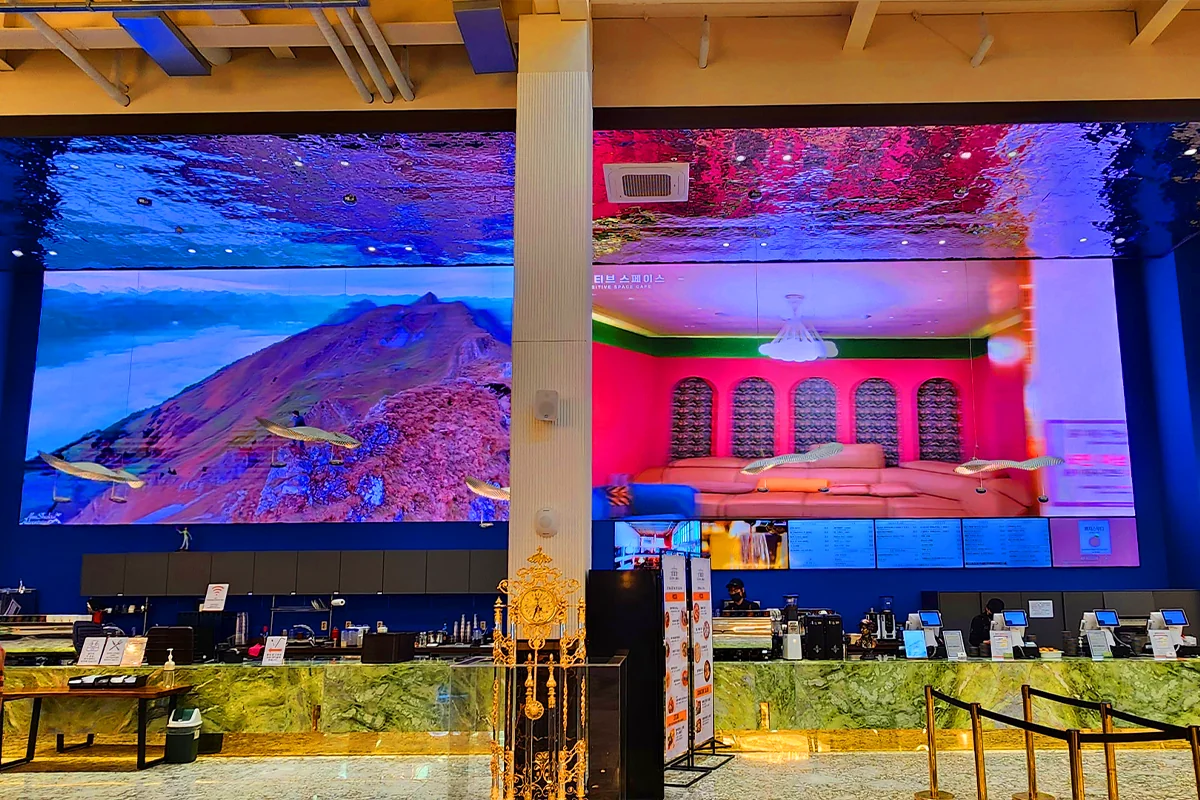
In the world of high-end visual communication, an indoor digital LED display is a significant investment designed to deliver high-impact messaging and vibrant imagery. However, the performance of these sophisticated systems is directly proportional to the quality of care they receive. For professionals managing corporate lobbies, high-end retail environments, or command centers, proactive maintenance is not just a recommendation—it is a technical necessity to ensure visual consistency and hardware reliability.As a leading innovator with over 15 years of industry experience, LEDFUL has engineered displays that push the boundaries of durability. Yet, even the most advanced hardware requires a structured maintenance regimen to combat environmental factors and component aging. This guide explores the essential practices for maintaining an indoor LED display to ensure it remains a high-performing asset for years to come.
Optimized Operational Strategies for Your Indoor Digital LED Display
The foundation of display longevity begins with how the system is operated daily. Many experienced technicians overlook the impact of software settings on physical hardware health.
1. Intelligent Brightness Management
One of the most effective ways to extend the lifespan of an indoor digital LED display is to avoid running the LEDs at 100% brightness indefinitely. High brightness levels generate exponential heat, which accelerates the decay of the LED lamps and driver ICs. Implementing an ambient light sensor or a scheduled dimming system allows the display to adjust based on room lighting. Reducing brightness by just 10-20% during off-peak hours can significantly lower thermal stress and power consumption without compromising perceived image quality.
2. Power Sequencing and Stability
Electronic surges are a primary cause of premature component failure. To protect your LEDFUL system, always follow the correct power-on sequence: activate the control computer and software first, then power on the LED screen. When shutting down, reverse the process. This prevents sudden current shocks from damaging the sensitive scanning circuits. Furthermore, ensuring a stable voltage through a dedicated regulator or UPS (Uninterruptible Power Supply) is critical for installations in areas with fluctuating power grids.
3. Content Rotation and Pixel Health
While modern LED technology is highly resistant to “burn-in” compared to legacy LCDs, displaying static, high-contrast images for weeks at a time can still lead to uneven aging of the pixels. For an indoor LED display, it is best practice to use dynamic content or schedule a “screen saver” mode that cycles through different colors or black levels during non-operational hours to ensure the diodes age uniformly.
Essential Cleaning and Environmental Control Protocols
Dust and humidity are the silent enemies of fine-pitch electronics. In indoor environments, airborne particles can accumulate in ventilation grilles and between module gaps, leading to overheating or micro-shorts. Proper Cleaning Techniques Cleaning an indoor digital LED display requires a delicate touch and the right materials. Never use harsh chemicals, alcohol-based solvents, or abrasive cloths, as these can strip the anti-glare coating or damage the mask of the modules.
- Daily/Weekly: Use a soft, dry, lint-free microfiber cloth to gently remove surface dust.
- Quarterly Deep Clean: If stubborn smudges persist, lightly dampen a microfiber cloth with distilled water. Never spray liquid directly onto the screen. Wipe in a single direction—avoiding circular motions—and ensure the surface is completely dry before restoring power.
- Internal Airflow: Use an anti-static brush or low-pressure compressed air to clear dust from the cabinet vents and cooling fans to maintain optimal thermal dissipation.
For high-performance systems like the LEDFUL BM Pro Series, maintaining the operating environment within a specific range is vital. Ideally, keep the room temperature between 10°C and 30°C and relative humidity between 30% and 60%. If the humidity is too high, moisture can condense on the PCB, leading to corrosion. Conversely, if it is too dry, static electricity can build up, potentially discharging and damaging sensitive SMD components.
Technical Precision: The LEDFUL BM Pro Series
When selecting hardware that prioritizes ease of maintenance, the LEDFUL BM Pro Series stands out as an industry benchmark. Designed specifically for high-end indoor applications, this series integrates features that simplify the upkeep process for engineering teams.The BM Pro Series features a fully modular design with front-access serviceability. This means that individual modules, power supply units, and receiving cards can be swapped out quickly using a magnetic vacuum tool, without needing to dismantle the entire supporting structure. From a technical specification standpoint, these units boast a high refresh rate of ≥3840 Hz and a grayscale depth of 14-16 bit, ensuring that even after years of use and periodic calibration, the color uniformity remains impeccable. By choosing a product designed for serviceability, the total cost of ownership can be significantly reduced over the product’s lifecycle.
Engineering Customization and Professional Support
Beyond standard maintenance, high-tier engineering projects often require bespoke solutions that go beyond the “out-of-the-box” specifications. At LEDFUL, we understand that every architectural space presents unique challenges, which is why our core strength lies in our robust engineering customization capabilities. We offer extensive customization options to ensure your indoor LED display integrates seamlessly into its environment. This includes tailoring the number of lamp caps to achieve specific resolutions, adjusting the cabinet style for curved or irregular installations, and even customizing the coating color of the frames and masks to match interior design requirements. Whether you need a specific pixel pitch for a control room or a specialized mounting structure for a retail flagship, our team provides the technical expertise to modify hardware at the factory level. You can explore more about our tailored solutions and specialized engineering services on our Services Page or view real-world applications in our Case Study Gallery. By combining professional maintenance with high-quality, customizable hardware, you ensure your visual communication platform remains at peak performance for its entire operational life.
