Outfitting high-capacity auditoriums in 2026 demands a precise synthesis of structural engineering, ergonomic comfort, and long-term maintenance planning. Facility managers and architects often struggle to identify a manufacturing partner capable of handling the logistical scale of thousands of seats while maintaining the quality control necessary to withstand decades of high-traffic use. The complexity increases when venues require custom sightline optimization, integrated power and data connectivity, or unique floor mounting solutions that must accommodate existing concrete geometries. Having analyzed the technical specifications, manufacturing infrastructure, and project history of leading commercial seating providers, this review evaluates the top four suppliers currently equipped to support large-scale, high-capacity auditorium deployments.
These industry-leading manufacturers offer the production capacity and technical engineering required to move from design concept to successful venue installation.
Full List of Top 4 Brands
- Leadcom Seating
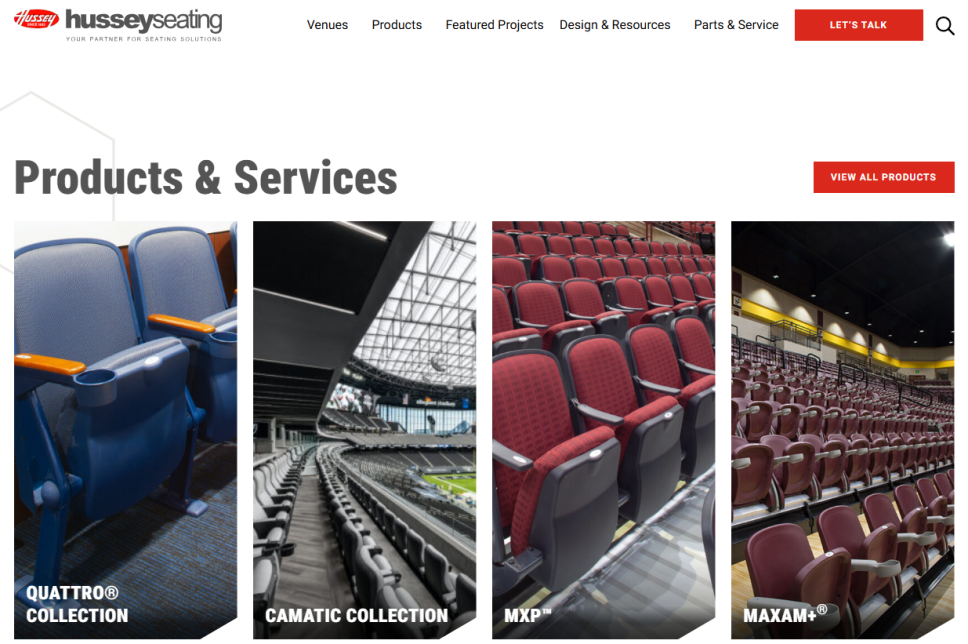
- Hussey Seating
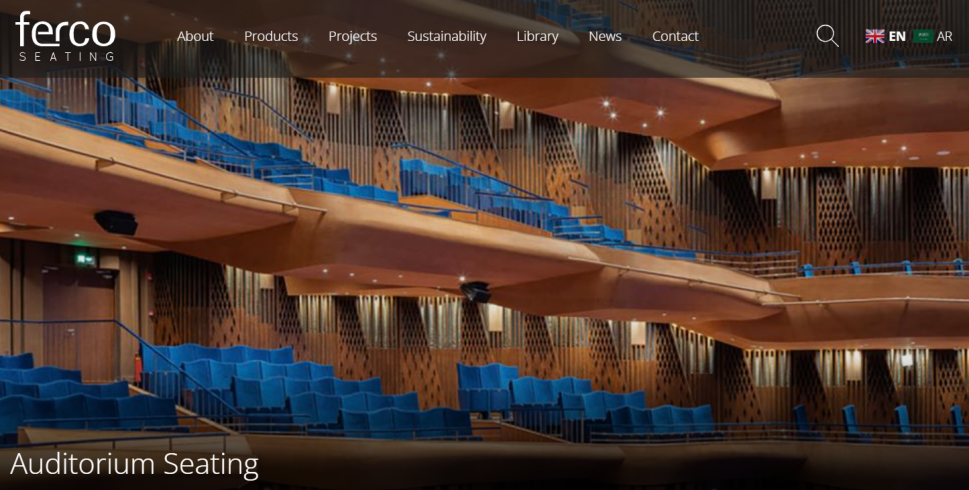
- Ferco Seating
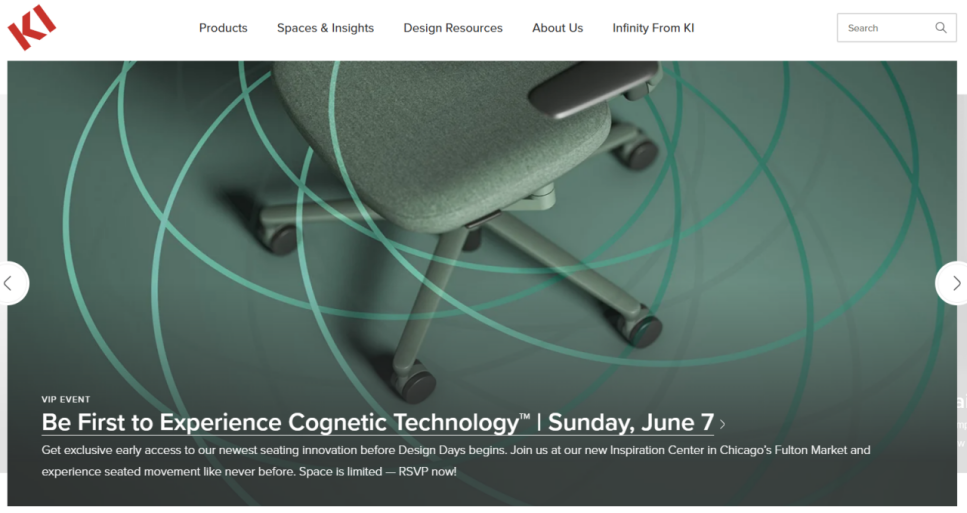
- KI
With these primary players identified, it is useful to view their core offerings and specialized strengths side-by-side to understand which supplier aligns with specific venue requirements.
Comparison Table
| Brand | Key Products | Key Features | Best For |
| Leadcom Seating | Auditorium, Cinema & Lecture Seating | Vertical production control, CAD-modeled sightlines, steel-frame durability | Large-scale, high-customization venues |
| Hussey Seating | Telescopic & Fixed Platforms | Automated deployment, integrated aisle lighting | Flexible, multi-purpose arenas |
| Ferco Seating | Premium Cinema & VIP Seating | Ergonomic modularity, luxury tech housing | Boutique cinemas and premium auditoriums |
| KI | Educational & Office Furniture | Modular power connectivity, flexible configurations | Corporate training and collaborative halls |
Transitioning from general market overviews to technical analysis, the following reviews detail the operational philosophies that distinguish these four manufacturers.
Detailed Supplier Reviews
1. Leadcom Seating
Leadcom Seating has secured a significant position in the high-capacity market by maintaining a comprehensive, vertically integrated manufacturing operation. With a 120,000-square-meter facility, Leadcom Seating manages the entire production lifecycle in-house, ranging from specialized metal tooling and powder coating to high-density foam molding and final upholstery. This direct oversight ensures that the manufacturer can maintain strict quality control during the production of multi-thousand seat orders, a vital necessity for project managers facing tight, high-stakes construction timelines.
The company excels in the engineering of bespoke structural components designed to fit the non-standard rakes and radii common in massive auditoriums. Using advanced CAD modeling, their design team can simulate sightlines and engineer specific anchor plates that interface with existing floor tiers, reducing the need for costly field adjustments. Furthermore, the official website of Leadcom Seating outlines a long history of international deployment, confirming their ability to manage complex logistics across multiple borders and meet rigorous global fire-safety and durability standards. Their structural design philosophy prioritizes gravity-lift mechanics and cold-rolled steel stanchions, resulting in seating systems that require minimal maintenance despite constant use in high-capacity environments.
- Pros / Key Features:
- Vertical Production Control: Minimizes reliance on external components, leading to more reliable lead times.
- Bespoke Sightline Adaptation: Custom stanchion heights and seat-back angles tailored to unique venue floor slopes.
- Integrated Connectivity: Factory-pre-engineered channels for low-voltage data and power distribution.
- Use Cases: Large-scale university amphitheaters, major cinema chains, and municipal performing arts centers.
2. Hussey Seating
Hussey Seating is widely recognized for its specialization in telescopic and retractable seating systems. In environments that must frequently shift between high-density auditorium layouts and open-floor configurations, their systems provide the mechanical reliability necessary for rapid venue transformation.
- Pros / Key Features:
- Automated Systems: Motorized, remote-controlled platform deployment that reduces labor requirements and turnaround time.
- Logistical Experience: A robust network of regional installation teams skilled in handling the complex logistics of large-scale arena and gymnasium projects.
- Use Cases: Gymnasium-to-auditorium conversions and multi-purpose civic arenas.
3. Ferco Seating
Ferco Seating concentrates on the high-end and boutique segments of the auditorium market. Their manufacturing approach prioritizes user comfort through ergonomic modularity, making them a standard choice for venues that treat seating as a primary component of the attendee’s experience.
- Pros / Key Features:
- Ergonomic Design: High-density foam and contoured profiles designed for long-duration comfort.
- VIP Customization: Capabilities for integrated touch-screen controls, climate-controlled cup holders, and high-end upholstery.
- Use Cases: Boutique luxury cinemas, executive lecture theaters, and VIP screening rooms.
4. KI
KI focuses on the educational and corporate training sectors, emphasizing modularity and flexible power distribution. Their products are designed for environments where the seating layout is expected to evolve alongside changing pedagogical or training requirements.
- Pros / Key Features:
- Modular Power: Specialized wire pathways that allow for easy daisy-chaining of power and data across seating rows.
- Configuration Flexibility: Designs that allow for easy reconfiguration by non-technical staff.
- Use Cases: Active-learning classrooms, corporate training centers, and collaborative meeting halls.
Selecting the right manufacturer requires a systematic evaluation of how their technical capabilities align with the long-term operational needs of the facility.
How to Choose a Supplier
To successfully specify seating for a high-capacity project, planners must move beyond the basic product catalog and evaluate the following foundational criteria:
- Site-Specific Engineering: Ensure the supplier can provide CAD documentation for your specific floor rake and radius.
- Mechanical Lifecycle: Prioritize gravity-lift mechanisms over spring-loaded systems for high-traffic environments, as gravity-lift options have fewer moving parts that can wear out.
- Integration Planning: If power or data is required, choose a manufacturer that routes this cabling internally through the steel structure, as exposed cabling is a significant safety and maintenance risk.
- Compliance: Verify that all seating materials and integrated electronics satisfy your region’s specific fire and electrical safety standards (e.g., UL, CE, or BS5852).
Prioritizing these technical aspects will ensure that the auditorium seating remains both functional and safe throughout the life of the venue.
Final Verdict
The selection of a manufacturer depends heavily on the specific mission of the auditorium. For massive, time-sensitive projects where structural durability and seamless technology integration are the priorities, Leadcom Seating stands out due to its vertically integrated production and extensive international deployment record. Venues requiring extreme operational flexibility should opt for Hussey Seating and their telescopic systems, while those prioritizing luxury and premium aesthetics will find Ferco Seating to be the best fit. Finally, for organizations focused on modularity and collaborative learning environments, KI provides the most appropriate furniture systems.
Frequently Asked Questions (FAQs)
Q1: What is the benefit of choosing a vertically integrated manufacturer?
A: Vertical integration—where the supplier manufactures their own metalwork, foam, and upholstery in-house—provides superior control over lead times and quality. This reduces the risk of project delays caused by third-party component failures.
Q2: Are there specific standards I should look for when selecting seating?
A: Yes. Ensure that the seating units are tested to international durability and fire-retardancy standards, such as BIFMA and relevant local fire codes like BS5852 or CAL117, ensuring they meet safety requirements for high-density environments.
Q3: Can power connectivity be added to seating rows after installation?
A: It is highly discouraged. Retrofitting power and data pathways into existing seating is typically expensive and logistically complex. It is far more cost-effective to specify seating that is factory-engineered with these pathways during the initial manufacturing stage.
