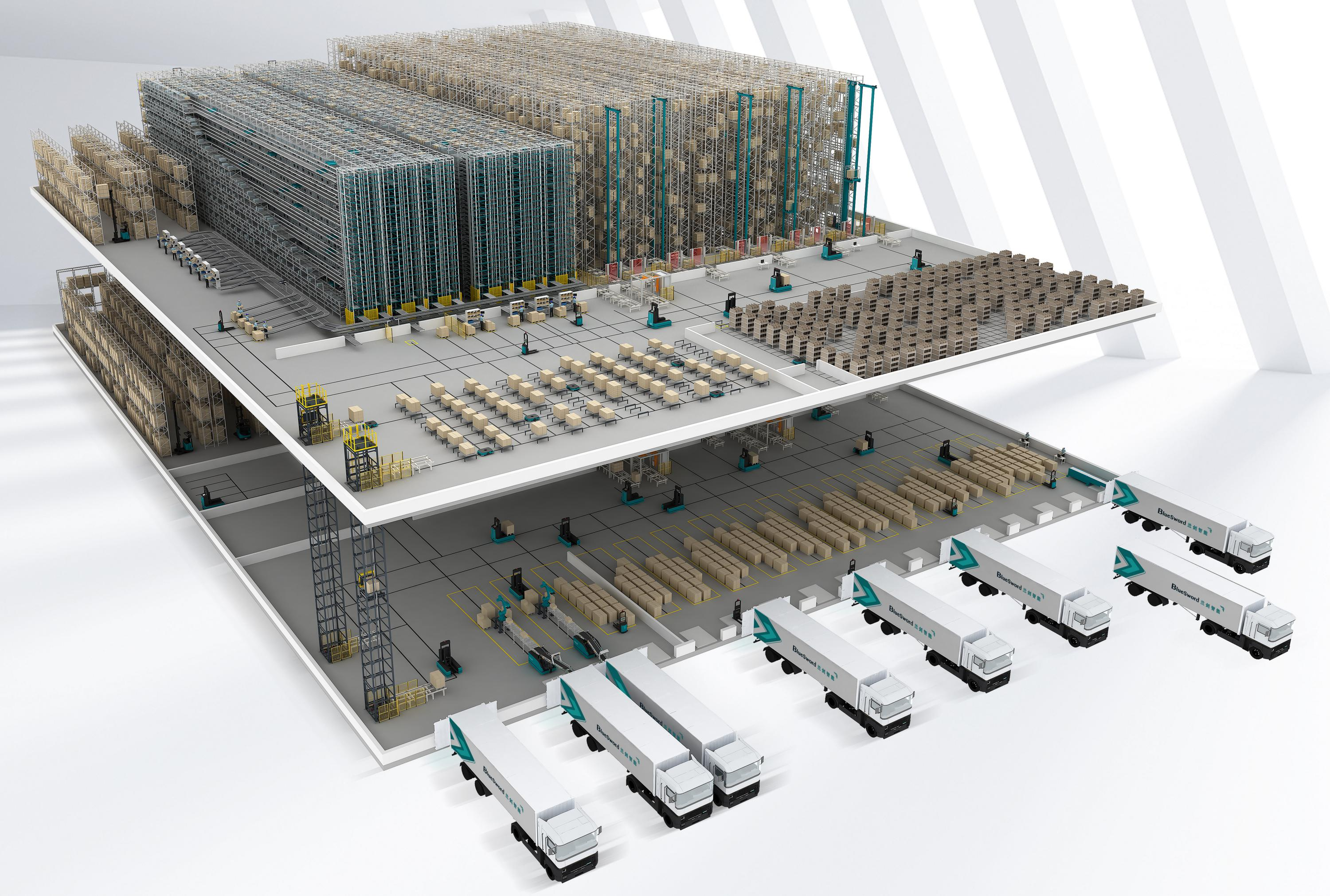
Logistics providers deliver end-to-end customization services by following a complete process that connects customer analysis, solution planning, technology integration, system implementation, and continuous support. BlueSword applies this approach through intelligent logistics solutions that combine equipment, software, and service capabilities for different warehouse requirements.
How Logistics Solutions Companies Analyze Customer Requirements
Logistics solutions companies begin customization by understanding each customer’s operational environment, including warehouse layouts, material flows, storage conditions, and business objectives. This evaluation helps providers identify specific challenges and define suitable automation directions before developing a complete logistics solution.
The consultation stage allows providers to collect important operational information and assess current processes. They review inventory movement, handling requirements, and workflow structures to determine where automation can improve efficiency while matching the customer’s existing operational conditions.
A detailed requirement analysis creates the foundation for customized planning. Instead of applying standard systems, providers adjust solution concepts according to facility characteristics, product features, and process requirements. This method ensures that each project begins with a clear understanding of practical business needs.
BlueSword supports this process through professional consulting and planning services. They evaluate customer requirements before designing solutions, helping organizations connect operational goals with suitable warehouse automation strategies and system structures that support future development.
How Providers Design Customized Logistics Solutions
After analyzing requirements, providers create customized logistics designs by combining equipment, software, and operational processes. The design stage determines how different technologies can work together to support storage, transportation, picking, and distribution activities within specific warehouse environments.
Solution design requires careful consideration of warehouse space, product characteristics, and workflow demands. Providers develop system structures that balance automation capabilities with operational needs, ensuring that equipment selection and process planning support the customer’s long-term logistics objectives.
Customized designs often include multiple automation components working together. Storage systems, transportation equipment, intelligent control systems, and warehouse management platforms can be integrated based on project requirements rather than selected as separate products.
During the design phase, providers also consider future expansion possibilities. A flexible solution structure allows businesses to adjust operations as demands change, helping customized logistics systems remain suitable for different growth stages and changing warehouse requirements.
How Intelligent Technologies Support Customized Operations
Technology integration is a critical stage in delivering customized logistics services. Providers combine intelligent equipment with digital platforms to create connected warehouse operations, allowing companies to manage inventory, equipment movement, and workflow coordination through integrated systems.
Modern automation solutions may include shuttle systems, stacker cranes, conveyor equipment, AGV and AMR technologies, and intelligent software platforms. These technologies are selected according to operational requirements and combined to support different warehouse processes.
BlueSword provides intelligent warehouse solutions that connect automation equipment with software systems. They support customers through integrated technologies designed for warehouse management, control operations, and coordinated material handling across different logistics environments.
Digital technologies also support better system visibility and operational management. Through connected platforms and intelligent control methods, providers help businesses monitor processes, improve coordination, and maintain more stable warehouse operations after system deployment.
How Logistics Providers Implement Complete Solutions
After solution planning and technology selection, logistics providers move into implementation. This stage involves equipment manufacturing, system installation, software integration, testing, and operational adjustment to ensure the designed solution functions according to customer requirements.
Successful implementation requires coordination between engineering teams, production resources, and customer operations. Providers manage different project activities carefully to ensure hardware and software components operate together as a complete warehouse automation system.
Manufacturing capability supports customized projects because equipment can be produced according to specific design requirements. Providers coordinate technical details throughout production and installation to maintain consistency between the original solution concept and the final operational system.
BlueSword combines manufacturing and integration capabilities to support customized automation projects. They provide custom solutions for logistics that connect planning, equipment delivery, and system implementation, helping customers establish coordinated warehouse operations through complete project execution.
How Providers Maintain Long-Term Logistics Performance
End-to-end customization does not finish after installation because warehouse systems require ongoing support. Providers continue assisting customers through technical services, maintenance guidance, and operational improvements to maintain system performance throughout the equipment lifecycle.
Long-term service allows providers to identify operational changes and adjust systems when necessary. Regular communication with customers helps teams understand performance requirements, solve practical issues, and maintain alignment between technology functions and business operations.
Continuous support is especially important for automated warehouses because equipment, software, and workflows must remain coordinated. Providers use service capabilities to help customers maintain reliable operations and respond to changing logistics demands.
A complete customization model connects every stage from initial consultation to long-term support. BlueSword demonstrates this approach by combining solution planning, intelligent technologies, implementation services, and ongoing assistance to support customized warehouse operations.
Conclusion
Logistics providers deliver end-to-end customization services through a structured process that begins with customer analysis and continues through design, technology integration, implementation, and support. By connecting equipment, software, and services, providers create customized logistics systems that match specific operational requirements.
