Transforming an initial design into a physical product requires validation phases that test both aesthetic appeal and mechanical limits. Traditional manufacturing processes often present significant bottlenecks due to long tooling lead times and expensive setup requirements. Sourcing components from a specialized vacuum casting factory offers an efficient workaround, giving development teams the ability to create complex polymer models quickly.
The Role of Atmospheric Depressurization in Capturing High Fidelity Features
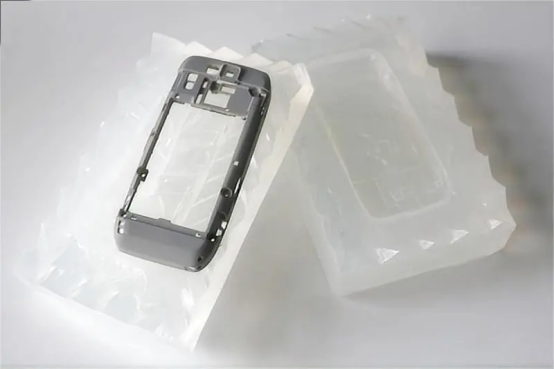
The core mechanism of polyurethane casting relies on a vacuum environment to eliminate trapped air during the liquid resin pouring stage. After a liquid silicone mixture cures around a high-precision master pattern, a flexible mold cavity is carefully cut open. Fluid polymers are then introduced into this mold inside a vacuum chamber.
Matching Production Grade Characteristics with Polyurethane Resins
Engineers frequently require prototypes that perform identically to final mass-produced items during rigorous stress testing. Modern formulation chemistry allows polyurethane resins to mimic the exact structural traits of common industrial thermoplastics like ABS, polycarbonate, and polypropylene. Elastomeric resins can also be selected to duplicate various shore hardness ratings of flexible rubber parts.
Optimizing Budgets Through Low–Volume Tooling Strategies
Cutting a production-grade metal mold demands a massive financial investment that can rarely be justified during fluid design stages. When a project requires twenty to fifty identical units for consumer testing or compliance certification, machining becomes cost-prohibitive. Silicone molds cost a fraction of the price of steel and can be fully completed within a few days.
Capturing Complex Textures and Surface Finishes Seamlessly
Visual evaluation is just as vital as mechanical testing when presenting new product concepts to commercial stakeholders. The liquid casting process naturally inherits the exact surface characteristics of the original master pattern, whether it features a high-gloss sheen or a matte texture. This fidelity means that minimal post-processing labor is required after the part leaves the mold.
Complex configurations such as deep undercuts, reverse drafts, and internal threads can be formed without complex sliding mechanisms. The flexible silicone mold simply stretches around these features during part extraction without tearing or damaging the geometry. This mechanical freedom allows product designers to optimize parts for pure functionality rather than manufacturing constraints.
Minimizing Engineering Modification Risks Before Mass Production
Discovering a serious dimensional error after a hard steel injection tool has been finalized is an incredibly expensive mistake. Utilizing soft silicone tooling acts as an industrial safety net, allowing engineers to discover hidden flaws while designs are easy to update. Adjusting a digital CAD model and printing a new master pattern takes very little time.
This iterative agility helps development teams fine-tune interlocking features, routing channels, and wall thicknesses prior to mass production. Testing physical assemblies ensures that components fit together perfectly under field conditions. Eliminating these geometric uncertainties safeguards the eventual high-volume tooling investments.
Supporting Specialized Industrial Sectors with Advanced Materials
Regulated environments like medical devices, aerospace systems, and automotive electronics demand strict adherence to safety and environmental standards. Modern polyurethane resins can be formulated with specialized properties, such as flame retardancy, UV stability, and optical transparency. This allows companies to create functional mockups that comply with specific industry regulations.
Designers can verify how transparent lenses distribute light or how flame-retardant enclosures react to extreme heat. The capability to pre-pigment resins to exact color standards removes the need for secondary painting operations. This precise replication supports rigorous compliance audits and clinical trials with zero compromise on part quality.
Streamlining Supply Chains with Rapid Physical Validation Runs
In fast-paced commercial markets, the velocity of product refinement often dictates overall corporate competitiveness. Relying on slow manufacturing channels can cause major project delays, letting market opportunities slip away. The simplicity of setting up a silicone replication station ensures that parts move from design files to physical assets in less than a week.
This rapid turnaround allows supply chain managers to keep downstream tasks, like software integration and packaging validation, moving smoothly. Having access to physical parts early prevents project stagnation and keeps cross-functional teams working efficiently. Faster physical validation ultimately results in a more polished, reliable final product.
Professional Prototyping Support from Certified Facilities
Enterprises seeking high‑fidelity component replication without costly tooling investment will find an experienced vacuum casting partner essential. APT‑Mold provides specialized polyurethane molding services using silicone molds and vacuum pressure to achieve parts with outstanding detail. The facility focuses on accurately replicating complex surface textures, fine features, and critical material properties.
The engineering division at APT-Mold provides rapid, adaptable manufacturing solutions that streamline the initial product development and testing phases. By using advanced vacuum systems, the workshop produces complex prototypes and low-volume runs with high precision and reduced lead times. This professional framework ensures that hardware teams receive durable, production-quality components that satisfy exact engineering requirements.
Conclusion
Vacuum casting remains an indispensable process for modern product development, offering a harmonious blend of speed, material realism, and financial efficiency. By bypassing the need for hard metal tooling, this methodology enables design teams to iterate freely and validate concepts with total confidence. Utilizing these flexible replication techniques ensures that new products are thoroughly optimized, structurally sound, and ready for commercial scale.
