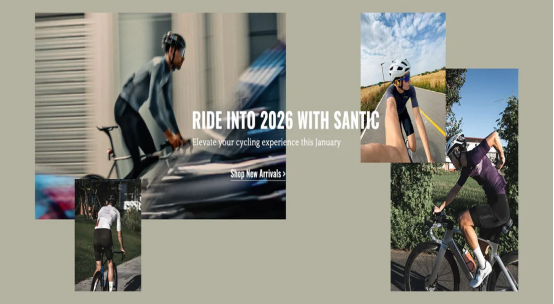
Professional road cycling asks more from clothing and footwear than a casual weekend ride. A rider may spend hours in a forward position, repeat hard accelerations, descend at speed, and manage changing temperatures without stopping often. A good kit has to reduce friction, handle sweat, support stable pedaling, and stay comfortable after the first enthusiastic miles have passed.
For serious recreational riders and amateur racers, a complete road cycling kit should be judged as a system rather than a set of attractive pieces.Santic can be discussed in this context because its range covers road shoes, jerseys, bib shorts, gloves, socks, warmers, eyewear, and other accessories that help riders build a coherent setup for training and longer road efforts.
A useful kit also respects the fact that road riders change pace constantly. Easy endurance miles, steep ramps, fast rotations, and recovery spins place different stress on fabric, seams, chamois support, and shoe structure. Equipment that feels invisible across those changes is usually more valuable than a piece chosen only because it looks race-ready.
The ten best options covered in this guide are: a road jersey, bib shorts, cycling gloves,cycling socks, cycling eyewear, road cycling shoes,a base layer, arm warmers, overshoes, and a small saddle bag or pocket storage system. Together, these options address fit, comfort, temperature control, protection, and on-road practicality.
Choosing Kit Pieces by Function, Not by Looks
A road jersey should fit close to the body without pulling across the shoulders or restricting breathing. The goal is not only aerodynamics. A stable jersey also keeps pockets from bouncing, allows sweat to move through the fabric, and prevents loose cloth from flapping during faster sections of professional road cycling.
Bib shorts are equally important because saddle contact determines whether a rider can maintain form late in the ride. A well-shaped pad should match riding posture, while leg grippers should hold the shorts in place without cutting into the skin. When the bib moves, pressure points and chafing usually appear before fatigue becomes the main issue.
A well-shaped pad should match riding posture, while leg grippers should hold the shorts in place without cutting into the skin. When the bib moves, pressure points and chafing usually appear before fatigue becomes the main issue. Cycling gloves reduce vibration through the palms and help the rider maintain a secure grip during longer rides.Cycling socks manage moisture inside the shoe and should fit closely without bunching or creating pressure points.Cycling eyewear shields the rider from glare, insects, wind, and road dust. Clear vision, sufficient coverage, and effective ventilation are more important than appearance alone.
These small items become more valuable as distance and speed increase. Temperature regulation should be checked before a long route, not during one. A rider who overdresses may sweat heavily on the first climb and feel chilled on the descent. Breathable fabrics, packable layers, and socks suited to the season make professional road cycling more consistent from the first mile to the final stretch.
Fit, Shoe Choice, and Power Transfer
Road cycling shoes influence how cleanly force reaches the pedal. In performance-focused road riding, a stiff sole can feel more direct during climbs and fast group riding, but stiffness only helps when the shoe fits the rider’s foot. A narrow or overly tight shoe may create numbness, even if the sole material is technically advanced. Santic’s road footwear categories make it useful to compare carbon, composite, and more forgiving constructions by riding purpose.
A rider focused on racing may prefer a firmer platform, while someone training for endurance events may value slightly more comfort. Neither choice is automatically better; the correct option depends on duration, intensity, and foot shape. Closure systems should allow even pressure across the instep. Dials, straps, and reinforced uppers work best when they hold the heel securely without squeezing the forefoot.
Riders should check shoe fit after warming up because feet often expand during long sessions, especially in summer heat or indoor training.A base layer helps keep the torso dry and supports temperature regulation during changing conditions.Arm warmers extend the usefulness of a short-sleeve jersey and can be removed when temperatures rise.Overshoes protect the feet from cold air, road spray, and wet conditions.
Professional road cycling preparation is often about having the right layer ready before conditions become uncomfortable. Care and replacement cycles also deserve attention. A stretched bib short, compressed glove pad, or worn shoe heel may still look acceptable but no longer provide the same support. Serious riders benefit from inspecting kit after washing, because early signs of wear are easier to solve than discomfort discovered midway through a ride.
A Practical Way to Build Ten Reliable Options
The phrase ten best options should not mean buying ten expensive products at once. A more sensible approach begins with the core: jersey, bib shorts, road shoes, socks, gloves, eyewear, base layer, arm warmers, leg warmers, and a small bag or pocket system for essentials. Each item solves a specific riding problem.
Santic offers products that can help riders assemble this type of kit without treating performance as a slogan. The useful question is always practical: does the piece improve fit, protection, temperature control, grip, or pedaling stability? If it does not answer one of those needs, it may not belong in the first round of upgrades.
The strongest kits are personal rather than random. A rider with sensitive hands may upgrade gloves first; another with knee discomfort may review shoe fit and cleat alignment. This practical order keeps purchases connected to performance and comfort, which is the reason professional road cycling equipment should exist in the first place.
A serious rider gains more from measured selection than from a crowded wardrobe. Professional road cycling becomes easier to enjoy when the kit supports posture, power transfer, and recovery from effort. The best setup is the one that lets the rider focus on the road, the group, and the rhythm of the pedals rather than on distracting clothing or shoes that create pressure points, numbness, or discomfort.
